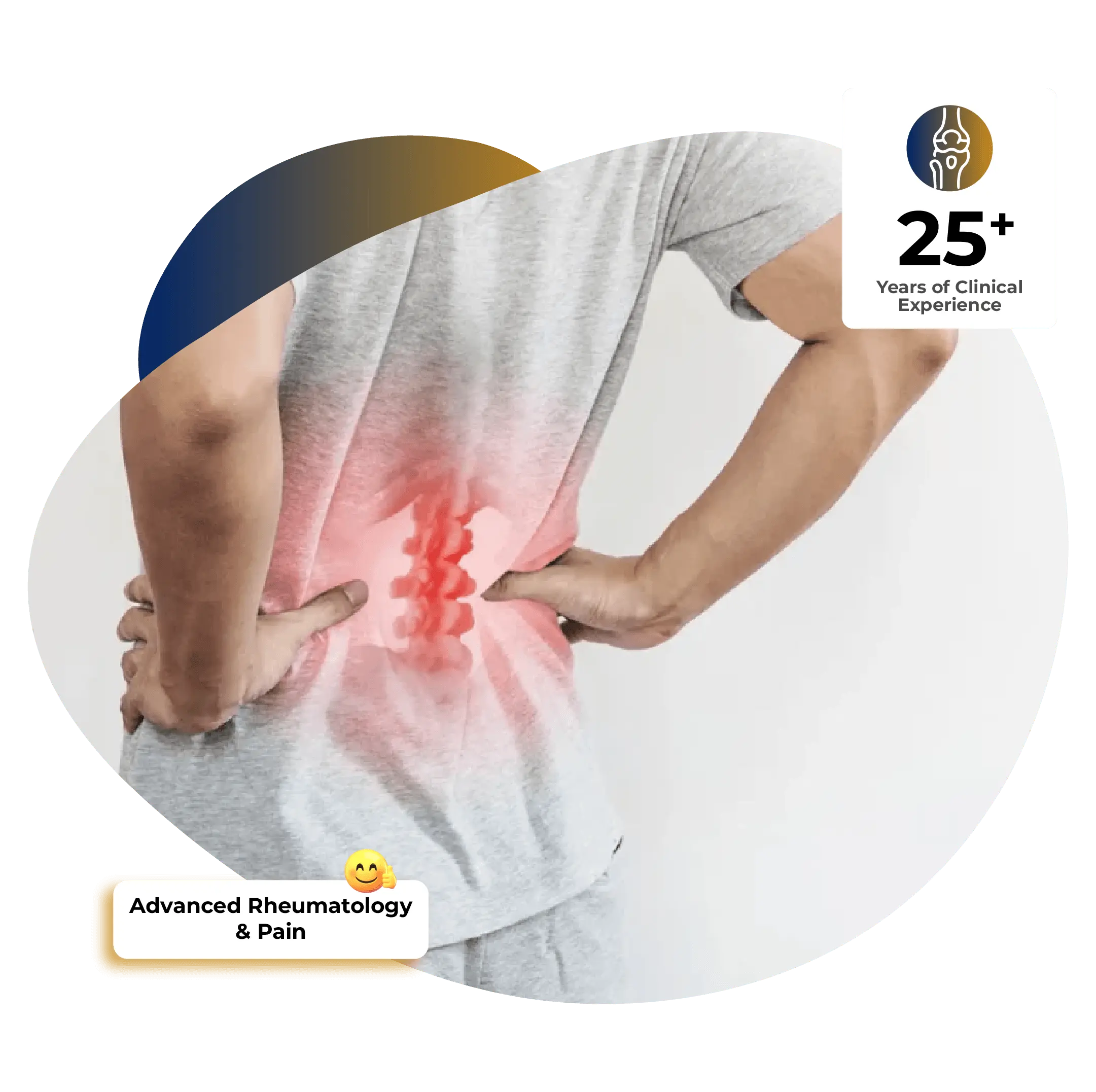
Lower back pain can affect almost every part of daily life. It may make sitting at work uncomfortable, disturb sleep, limit walking or make simple movements such as bending and lifting painful. Some people notice a dull ache across the lower back, while others feel sharp pain that travels into the buttock or leg.
Lumbar pain may begin after lifting a heavy object, a sports injury, a fall or long hours of sitting. In other cases, it develops slowly because of disc wear, joint changes, weak muscles or pressure on a nerve.
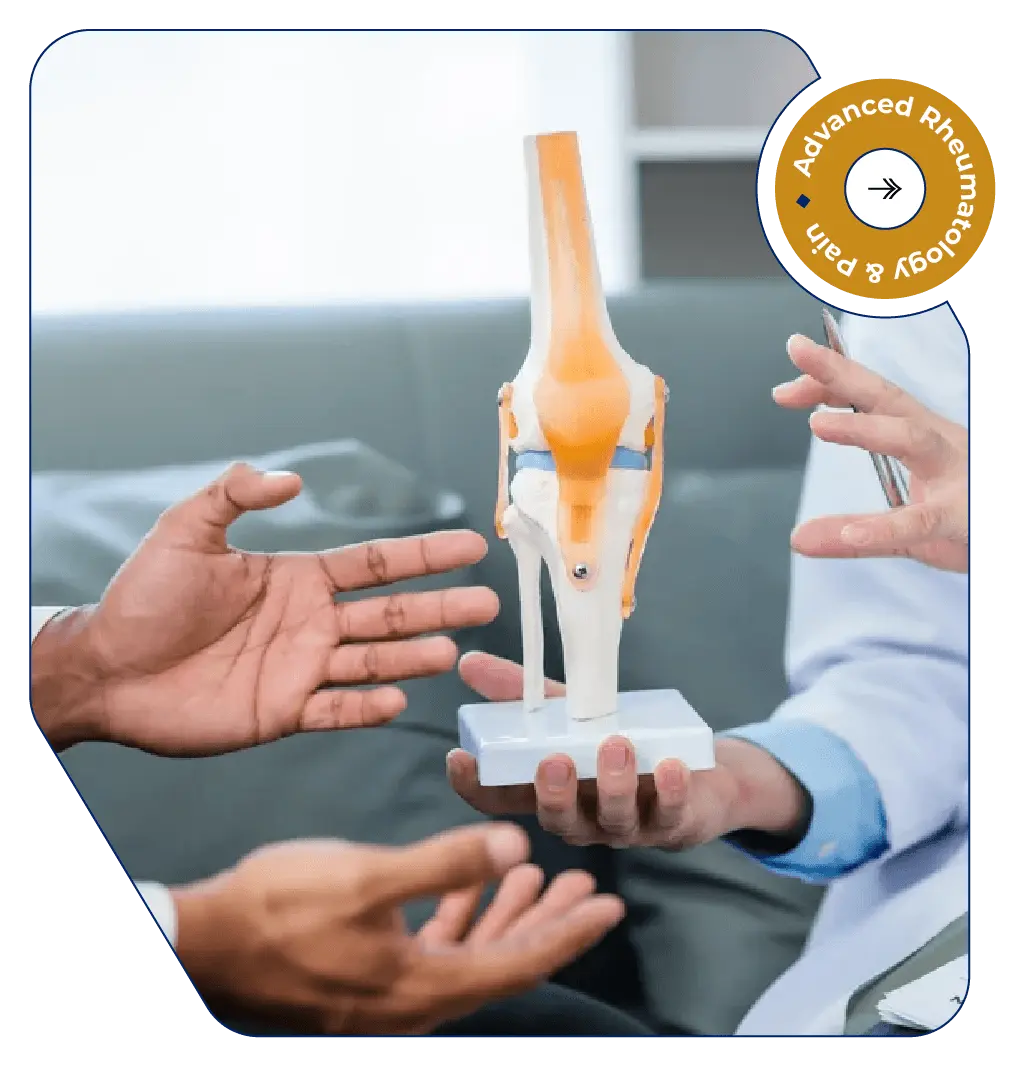
When pain does not settle with rest, gentle movement or basic treatment, a medical assessment can help find the cause. During a consultation with Dr. Kourosh, each patient receives a careful examination before treatment is planned. The choice of care depends on the symptoms, scan findings, medical history and effect of pain on daily activities.
Lumbar Spine and Lower Back Conditions
The lumbar spine is the lower part of the back. It contains five vertebrae, known as L1 to L5. These bones support much of the body’s weight and help with bending, twisting, standing and walking.
Soft discs sit between the vertebrae and act as cushions. Muscles and ligaments support the spine, while nerves pass through small spaces between the bones. Pain can start when a muscle becomes strained, a disc changes shape, a joint becomes irritated or a nerve comes under pressure.
Lumbar pain may stay in the lower back or spread into the hip, thigh, calf or foot. Pain that moves down the leg is often linked with irritation of the sciatic nerve. Sciatica may also cause tingling, numbness or weakness in the leg.
Conditions Assessed During Lumbar Care
Lumbar spine care may involve the assessment and treatment of:
01Persistent lower back pain
02Lumbar disc herniation
03Bulging or slipped disc
04Sciatica
05Lumbar spinal stenosis
06Degenerative disc changes
07Facet joint pain
08Muscle and ligament strain
09Lumbar spondylosis
10Nerve root irritation
11Sacroiliac joint pain
12Sports-related back injuries
13Pain linked with poor posture
14Reduced movement after an injury
15Lower back pain that keeps returning
Common Signs of a Lumbar Problem
A lumbar condition may cause more than pain. Some patients feel stiff after waking up or after sitting for a long time. Others struggle to stand upright, bend forward or walk for longer distances.
Common symptoms include:
Pain across the lower back
Tightness or muscle spasms
Pain during bending or lifting
Stiffness after sitting
Pain while standing or walking
Pain spreading into one leg
Tingling or numbness
Weakness in the leg or foot
Reduced balance
Difficulty sleeping because of pain
Benefits of Lumbar Spine Care
The main aim of lumbar spine care is to reduce pain, improve movement and help the patient return to normal activities safely.
Possible benefits include:
Finding the source of pain
Reducing stiffness and discomfort
Improving walking and standing
Restoring lower-back movement
Reducing nerve irritation
Building strength around the spine
Improving posture and lifting habits
Lowering the risk of repeated strain
Choosing treatment based on the diagnosis
Avoiding unnecessary procedures
Who Is a Suitable Candidate for Lumbar Spine Care?
Lumbar spine care may help people who:
Have lower back pain lasting several days or weeks
Experience pain that keeps returning
Feel pain moving into the buttock or leg
Notice tingling, numbness or weakness
Struggle with bending, lifting or walking
Have pain after a work or sports injury
Have a known disc or joint condition
Have not improved with home care
Need advice about safe exercise
Want to avoid repeated flare-ups
Lumbar Spine Consultation with Dr. Kourosh
01
Understand Your Symptoms
The consultation starts with a discussion about the pain. Dr. Kourosh may ask when it began, where it is felt and which movements make it better or worse.
Patients should mention any leg pain, tingling, numbness, weakness, previous injuries or earlier treatments. Work routine, exercise habits, sleep and lifting activities may also provide useful clues.
02
Examine the Lower Back
Dr. Kourosh examines the lumbar area and checks movement, tenderness, posture and muscle strength. The examination may include leg movements, reflexes, sensation and walking.
These checks help show whether the problem is more likely to involve a muscle, disc, joint or nerve.
03
Review Scans When Needed
An X-ray or MRI scan may be advised if the result is likely to change treatment. Not every patient needs imaging, especially during a first episode of uncomplicated lower back pain. NICE recommends imaging in specialist care only when it may affect management.
04
Plan the Right Treatment
After the assessment, Dr. Kourosh explains the likely cause of pain and discusses suitable treatment.
Care may include physiotherapy, exercise, medication, posture changes, activity advice or an image-guided injection. Surgery is usually considered only when there is serious nerve pressure, worsening weakness or pain that does not improve with other treatment.
Treatment Options for Lumbar Conditions
Treatment depends on the cause and severity of the problem. Many patients start with non-surgical care.
Options may include:
01Physiotherapy
02Stretching and strengthening exercises
03Core muscle training
04Advice on sitting and lifting
05Pain-relief medication
06Anti-inflammatory treatment
07Heat or cold application
08Changes to work activities
09Image-guided spinal injections
10Referral for surgery when required
Why Choose Dr. Kourosh for Lumbar Spine Care?
Lower back pain needs careful assessment because several conditions can cause similar symptoms. Dr. Kourosh reviews the complete picture before recommending treatment.
Patients choose Dr. Kourosh for:
Detailed examination of the lumbar spine
Careful review of symptoms and history
Assessment of nerve function
Review of scans when needed
Clear explanation of the diagnosis
Non-surgical treatment options
Image-guided procedures where suitable
Practical recovery advice
Follow-up and progress checks
The aim is to reduce pain, improve movement and help patients return to work, exercise and daily activities with greater comfort.
Frequently Asked Questions About Lumbar Spine Care
What does lumbar mean?
Lumbar refers to the lower section of the spine, between the ribs and pelvis.
What causes lumbar pain?
Common causes include muscle strain, disc changes, joint wear, poor posture and nerve irritation.
Can lumbar pain travel into the leg?
Yes. An irritated nerve may cause pain, tingling or numbness in the leg.
Does every patient need an MRI scan?
No. A scan is usually advised only when it may affect the treatment plan.
Is surgery always needed?
No. Many lumbar conditions improve with exercise, physiotherapy, medication and changes in activity.
Contact Us
Book an Appointment
Address
Located in the 2XL Furniture Building, Al shafar Building 7 - No. 101 - Al Wasl Rd - Jumeirah 1 - Dubai - United Arab Emirates