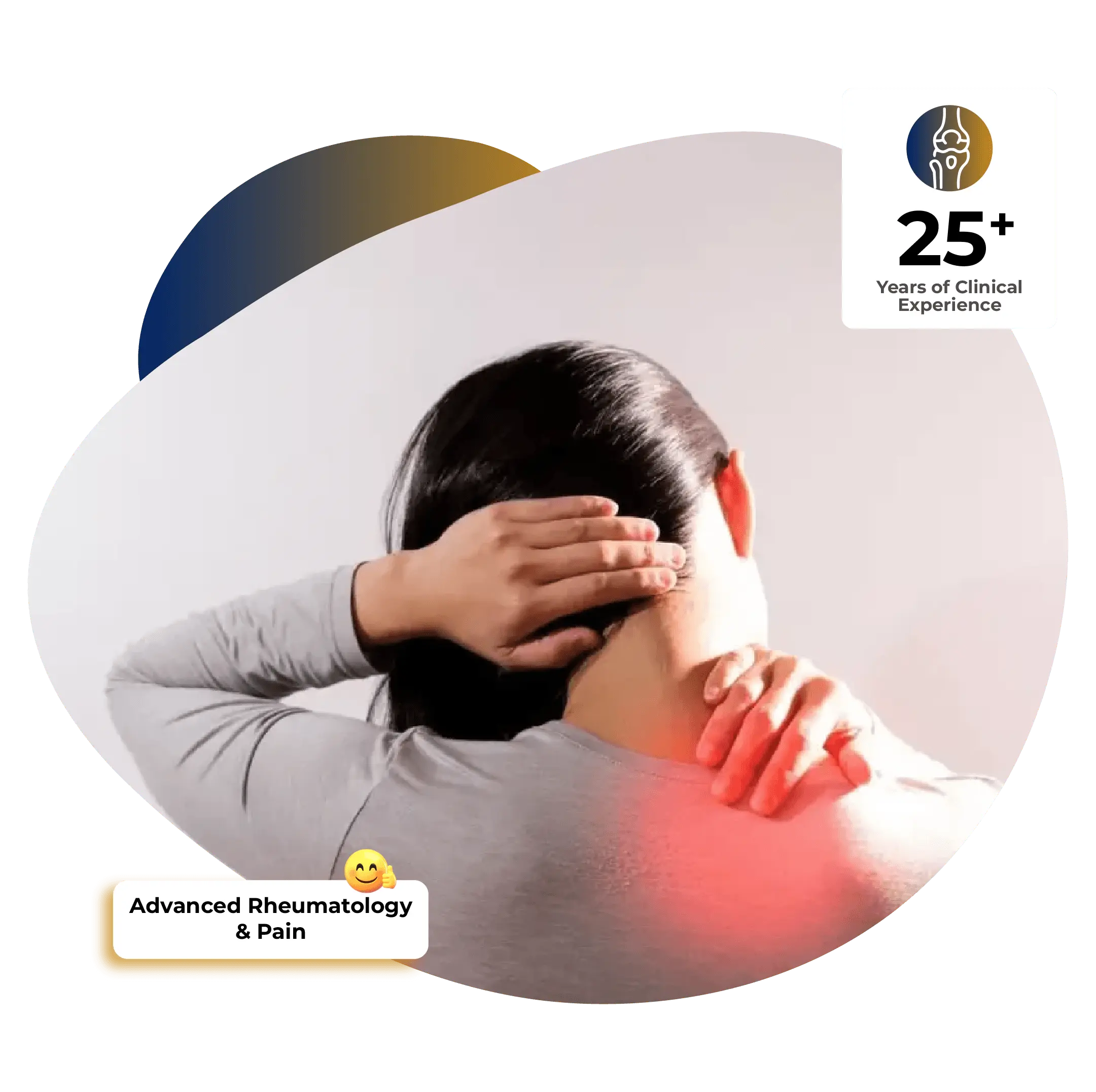
Neck pain can make simple tasks such as turning the head, driving, working at a desk or sleeping uncomfortable. Some people feel pain only in the neck, while others notice pain spreading into the shoulder, arm or hand. Tingling, numbness and weakness may also occur when a cervical nerve becomes irritated.
A cervical disc herniation can develop after an injury, sudden neck movement, repeated strain or gradual wear within the spine. Symptoms may begin suddenly or build over time. They may also become worse while sitting, lifting, coughing or moving the neck.
When pain does not settle with rest, medication or gentle movement, a medical assessment can help identify the source. During a consultation with Dr. Kourosh, each patient receives a careful neck and nerve examination before treatment is planned. The choice of care depends on the symptoms, affected nerve, scan findings, general health and impact on daily life.
Cervical Disc Herniation and Neck Pain
The cervical spine is the upper part of the spine located in the neck. It contains seven bones, known as C1 to C7. Soft discs sit between most of these bones and act as cushions. They also allow the neck to bend, turn and move comfortably.
Each disc has a firm outer layer and a softer centre. A cervical disc herniation happens when part of the soft centre pushes through a weak or damaged area in the outer layer. The displaced disc material may then press against a nearby nerve or, in more serious cases, the spinal cord.
A herniated disc does not always cause pain. Problems usually begin when the disc irritates a nerve or reduces the space around it. Pain may stay in the neck or travel into the shoulder, arm, hand or fingers.
Conditions Linked with Cervical Disc Herniation
Cervical spine care may involve the assessment and treatment of:
01Cervical disc herniation
02Bulging or slipped cervical disc
03Neck pain
04Cervical nerve compression
05Pain travelling into the arm
06Tingling or numbness in the hand
07Weakness in the arm or fingers
08Cervical radiculopathy
09Disc changes caused by ageing
10Neck pain after an injury
11Reduced neck movement
12Shoulder pain linked with the neck
13Pressure on the spinal cord
14Pain that has not improved with basic care
Common Symptoms of Cervical Disc Herniation
Symptoms depend on the location of the herniated disc and the nerve under pressure.
Common signs include:
Pain in the neck
Pain around the shoulder blade
Pain travelling down one arm
Tingling in the hand or fingers
Numbness in the arm
Weak grip
Weakness in the shoulder or arm
Neck stiffness
Pain while turning the head
Headaches starting from the neck
Pain that becomes worse while coughing or sneezing
Difficulty with fine hand movements
Pain from a cervical disc may feel sharp, burning or electric. Some patients also describe a heavy or tired feeling in the arm.
What Causes a Cervical Disc Herniation?
A disc may weaken gradually as it loses moisture and flexibility with age. This makes the outer layer more likely to crack during normal movement or physical strain.
A cervical disc herniation may also follow:
Sudden twisting of the neck
A fall or road accident
Heavy lifting
Poor lifting technique
Contact sports
Repeated overhead work
Long periods in one position
Previous neck injuries
Wear within the cervical spine
Sometimes, there is no single clear cause. Symptoms may appear after an ordinary movement because the disc has already weakened over time.
Poor posture does not always cause a herniated disc, but long hours with the head bent forwards may increase strain around the neck and shoulders.
Benefits of Cervical Spine Care
The main aim of cervical spine care is to control pain, protect nerve function and help the patient return to normal movement.
Possible benefits include:
Finding the source of neck and arm pain
Reducing nerve irritation
Improving neck movement
Relieving tingling and numbness
Restoring arm and hand strength
Improving sleep and daily comfort
Preventing repeated strain
Guidance on posture and movement
Avoiding unnecessary procedures
Choosing treatment based on the patient’s condition
Who Is a Suitable Candidate for Cervical Spine Care?
Cervical spine care may help people who:
Have neck pain lasting several days or weeks
Experience pain spreading into the shoulder or arm
Feel tingling or numbness in the fingers
Notice weakness in the hand or arm
Have trouble turning the head
Have pain after an accident or sports injury
Have a known cervical disc problem
Have not improved with home care
Need advice about safe work or exercise
Have symptoms that keep returning
A consultation is also useful when neck pain affects sleep, driving, computer work or household activities.
Cervical Disc Herniation Consultation with Dr. Kourosh
01
Understand Your Symptoms
The consultation starts with a discussion about the pain. Dr. Kourosh may ask when it began, where it travels and which movements make it worse.
Patients should mention tingling, numbness, weakness, headaches, balance problems and previous neck injuries. Information about work, driving, sleep and exercise may also help find movements that place stress on the neck.
02
Examine the Neck and Nerves
Dr. Kourosh checks neck movement, tenderness, posture and muscle strength. The examination may also include shoulder and arm movement, grip strength, reflexes and sensation in the hands.
These checks help identify which nerve may be affected and whether there are signs of spinal cord pressure.
03
Review Scans When Required
An MRI scan can show the discs, nerves and spinal cord in detail. It may be advised when symptoms continue, weakness develops or the examination suggests nerve compression.
An X-ray may show bone alignment or age-related changes, but it does not show a herniated disc as clearly as an MRI.
Not every patient needs a scan during the first visit. The decision depends on the symptoms, examination and whether the result is likely to change treatment.
04
Plan the Right Treatment
After the assessment, Dr. Kourosh explains the likely cause of the symptoms and discusses suitable care.
Treatment may include medication, physiotherapy, movement advice, posture changes or an image-guided injection. Surgery may be discussed if there is severe nerve pressure, increasing weakness, spinal cord compression or pain that does not improve with other treatment.
Treatment Options for Cervical Disc Herniation
Many patients begin with non-surgical treatment. The aim is to reduce pain while keeping the neck and shoulder moving safely.
Treatment options may include:
01Pain-relief medication
02Anti-inflammatory treatment
03Physiotherapy
04Neck and shoulder exercises
05Posture advice
06Changes to work activities
07Heat or cold application
08Short-term activity modification
09Image-guided spinal injections
10Surgery when required
Why Choose Dr. Kourosh for Cervical Disc Herniation?
Neck and arm pain can come from several structures, including the discs, joints, muscles and nerves. A careful examination helps identify the correct source before treatment begins.
Patients choose Dr. Kourosh for:
Detailed cervical spine assessment
Careful review of symptoms and medical history
Arm and hand nerve examination
Review of MRI scans when required
Clear explanation of the diagnosis
Non-surgical treatment options
Image-guided procedures where suitable
Practical recovery advice
Follow-up and progress checks
The aim is to ease pain, protect nerve function and help patients return to work, driving, exercise and daily activities safely.
Frequently Asked Questions About Cervical Disc Herniation
What is a cervical disc herniation?
It occurs when the soft centre of a neck disc pushes through its outer layer and may irritate a nearby nerve.
Can cervical disc pain travel into the arm?
Yes. Nerve pressure may cause pain, tingling or numbness in the shoulder, arm or hand.
Does every patient need an MRI scan?
No. An MRI is usually advised when symptoms continue or signs of nerve pressure are present.
Can cervical disc herniation improve without surgery?
Yes. Many patients improve with medication, physiotherapy and changes in activity.
When should I consult a doctor?
Consult a doctor when pain continues, spreads into the arm or causes numbness, weakness or balance problems.
Contact Us
Book an Appointment
Address
Located in the 2XL Furniture Building, Al shafar Building 7 - No. 101 - Al Wasl Rd - Jumeirah 1 - Dubai - United Arab Emirates