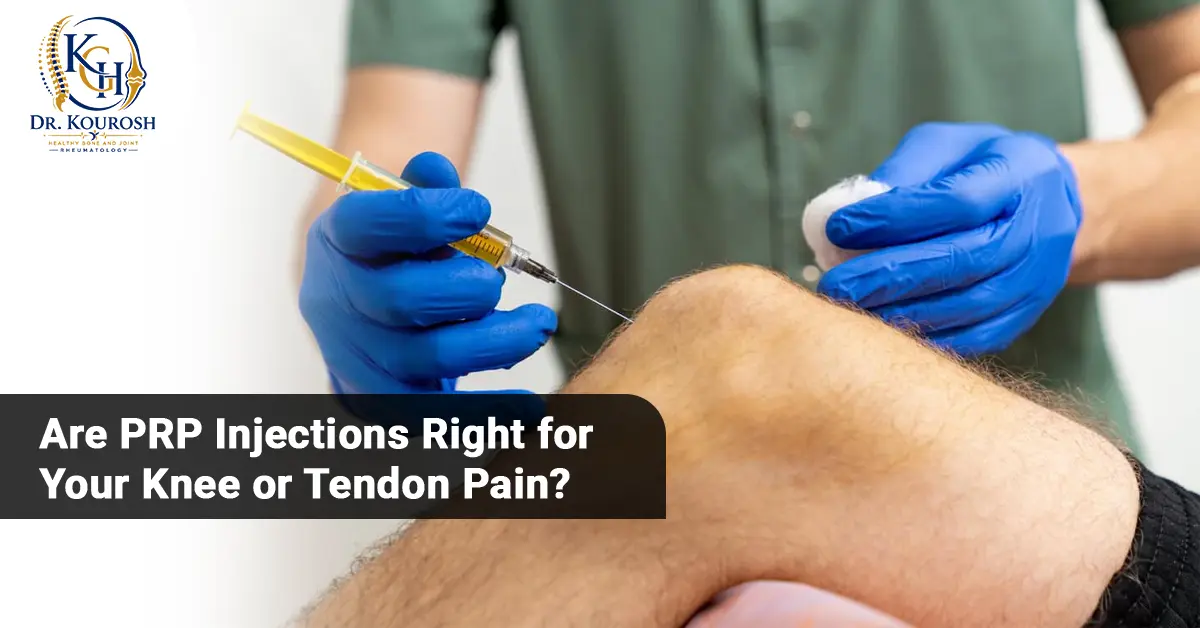
Two people with knee pain may have completely different treatment needs. One may have early osteoarthritis, while the other may have a tendon injury or an inflammatory joint condition. Although their symptoms appear similar, the same injection may not work for both.
Platelet-rich plasma (PRP) injections may help certain patients with persistent joint and tendon pain. However, understanding when PRP is appropriate, what it can achieve and what its limitations are is important before starting treatment.
What Is PRP and Why Does the Body Respond to It?
Platelet-rich plasma is a concentrated preparation of platelets obtained from a patient's own blood.
Platelets contain growth factors that play a role in tissue repair and the body's response to injury. When doctors introduce concentrated platelets into a selected joint or injured tissue, these growth factors may influence healing and inflammation.
PRP may help improve physical function and reduce discomfort in certain musculoskeletal conditions. However, it does not guarantee complete tissue healing.
It is important to understand that PRP therapy works differently from conventional pain-relieving injections.
Who Is a Good Candidate for PRP Injections?
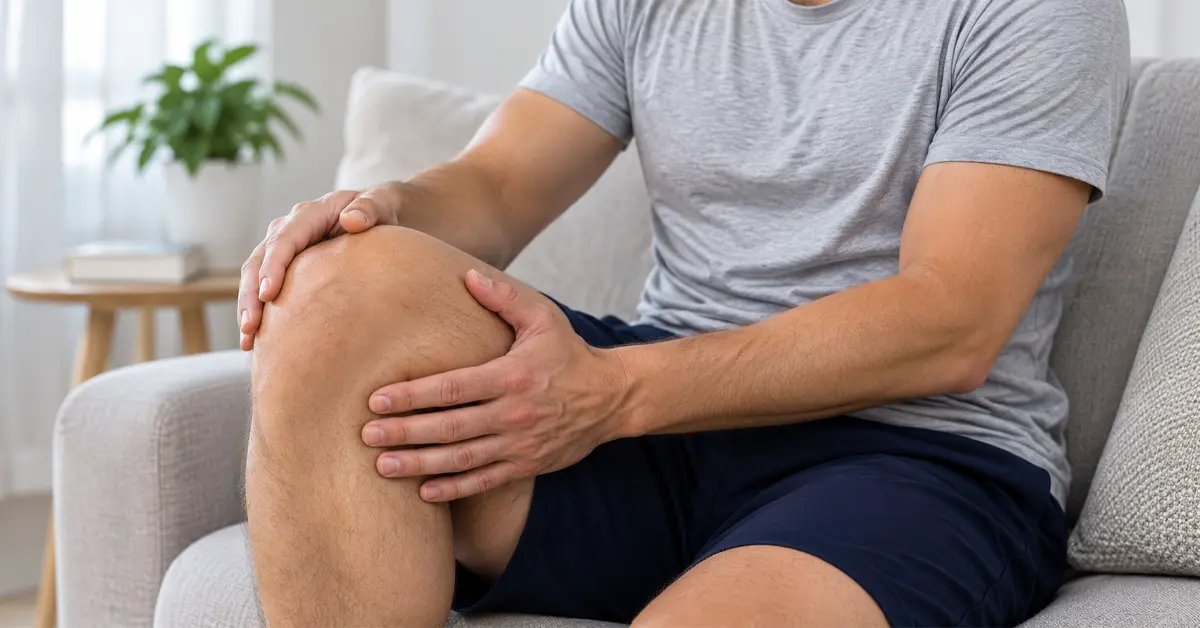
PRP may be suitable for patients who continue to experience joint or tendon pain despite receiving conventional treatment.
Doctors may consider this procedure for individuals with:
- Mild to moderate knee osteoarthritis.
- Persistent tendon pain.
- Selected chronic sports injuries.
- Limited improvement following physiotherapy.
- Joint pain that affects everyday activities.
- Realistic expectations about treatment outcomes.
The duration of your symptoms alone does not determine whether you need PRP. Doctors also consider the location of the injury, tissue damage, medical history and previous treatment response.
Does the Stage of Knee Osteoarthritis Affect PRP Results?
Yes. The severity of knee osteoarthritis can influence how well a patient responds to PRP injections.
|
Stage of osteoarthritis |
Potential role of PRP |
|
Early-stage osteoarthritis |
May help manage pain and improve function |
|
Moderate osteoarthritis |
May provide symptom relief for selected patients |
|
Advanced osteoarthritis |
Results may be less predictable |
|
Severe joint damage |
Alternative treatments may be more appropriate |
PRP does not reverse advanced joint damage. Patients with significant cartilage loss or structural changes may require other treatment approaches.
A detailed knee pain assessment helps determine the underlying cause and severity of the condition.
What Does Recent Medical Research Say About PRP for Knee Arthritis?
In April 2026, the American Academy of Physical Medicine and Rehabilitation (AAPM&R) released clinical guidance supporting consideration of PRP for patients with mild to moderate knee osteoarthritis whose symptoms persist despite conventional care.
However, medical organisations continue to differ in their recommendations because research findings vary.
Current evidence suggests that PRP may improve pain and joint function in selected patients. It has not established that PRP reliably regenerates lost cartilage or prevents the progression of arthritis.
Patients should discuss the expected benefits and limitations with their treating doctor before making a decision.
Does PRP Work Equally Well for All Tendon Injuries?

No. Different tendons respond differently to treatment. The nature of the injury and the condition of the affected tissue can influence the outcome.
Rotator Cuff Tendinopathy
Shoulder tendon problems can cause pain when lifting your arm, reaching overhead or sleeping on your side.
PRP may be considered in selected cases, although research findings remain mixed. Identifying the underlying cause of shoulder pain is important before recommending an injection.
Tennis Elbow
Tennis elbow affects the tendons around the outer part of the elbow. Patients often experience discomfort when gripping objects, lifting bags or performing repetitive movements.
Some patients with persistent tennis elbow symptoms may benefit from PRP after conventional treatments have provided insufficient relief.
Plantar Fasciitis
Plantar fasciitis typically causes pain underneath the heel, especially during the first few steps after waking up.
PRP may be considered for selected patients with persistent symptoms that have not improved sufficiently through standard treatment.
Achilles Tendinopathy
Achilles tendon problems can affect walking, running and other physical activities.
However, a clinical study involving 240 patients with chronic Achilles tendinopathy found no significant benefit from PRP compared with a sham injection at six months.
This highlights why evidence-based assessment and rehabilitation remain important when managing tendon and soft tissue injuries.
How Is PRP Prepared From Your Own Blood?
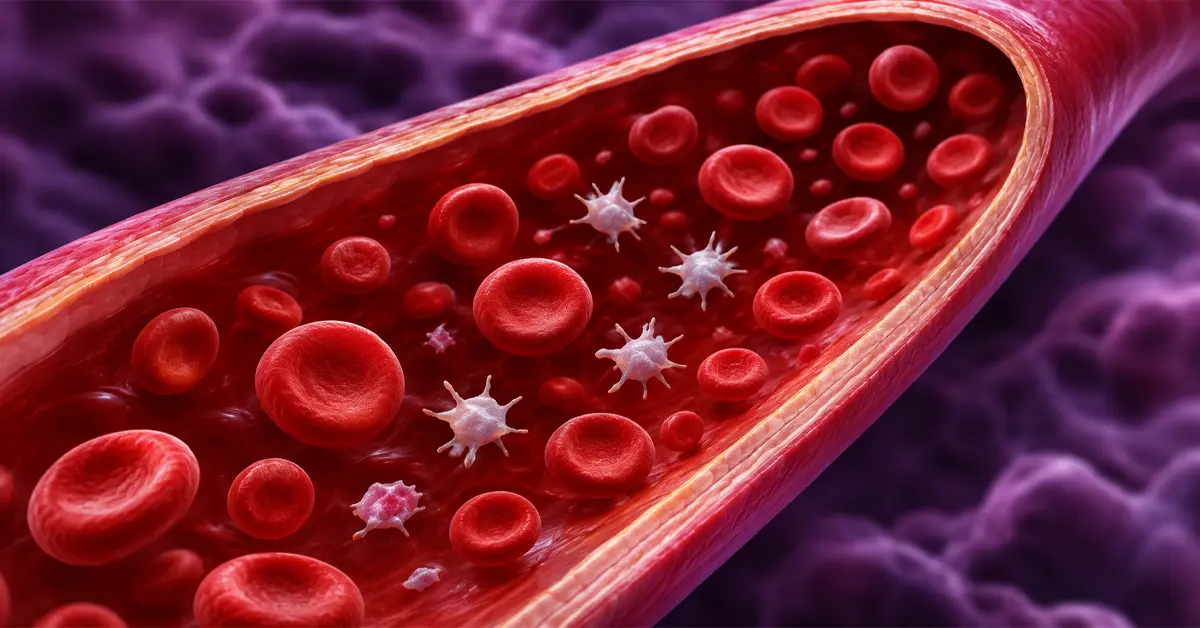
A healthcare professional prepares PRP through four main stages:
- Blood collection: A small blood sample is collected from the patient.
- Centrifugation: A specialised machine separates the blood components.
- Platelet-rich plasma extraction: The platelet-rich portion is collected.
- Injection: The doctor administers the prepared plasma into the selected treatment area under sterile conditions.
The preparation method, platelet concentration and nature of the injury may influence treatment outcomes.
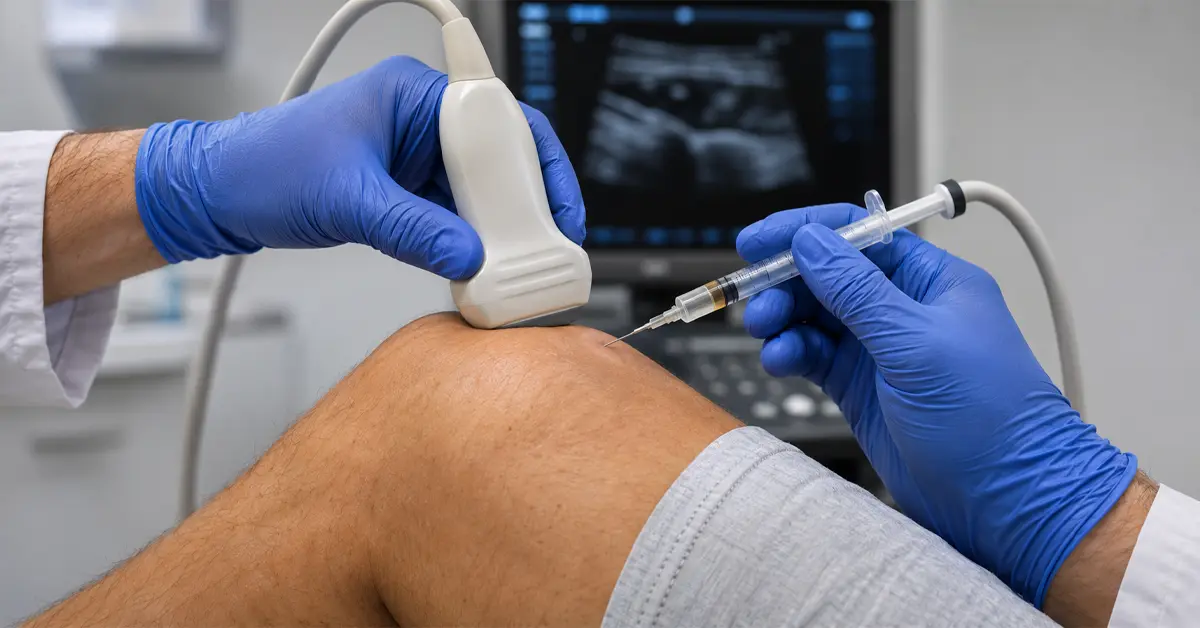
Why Is Ultrasound Guidance Important for PRP Injections?
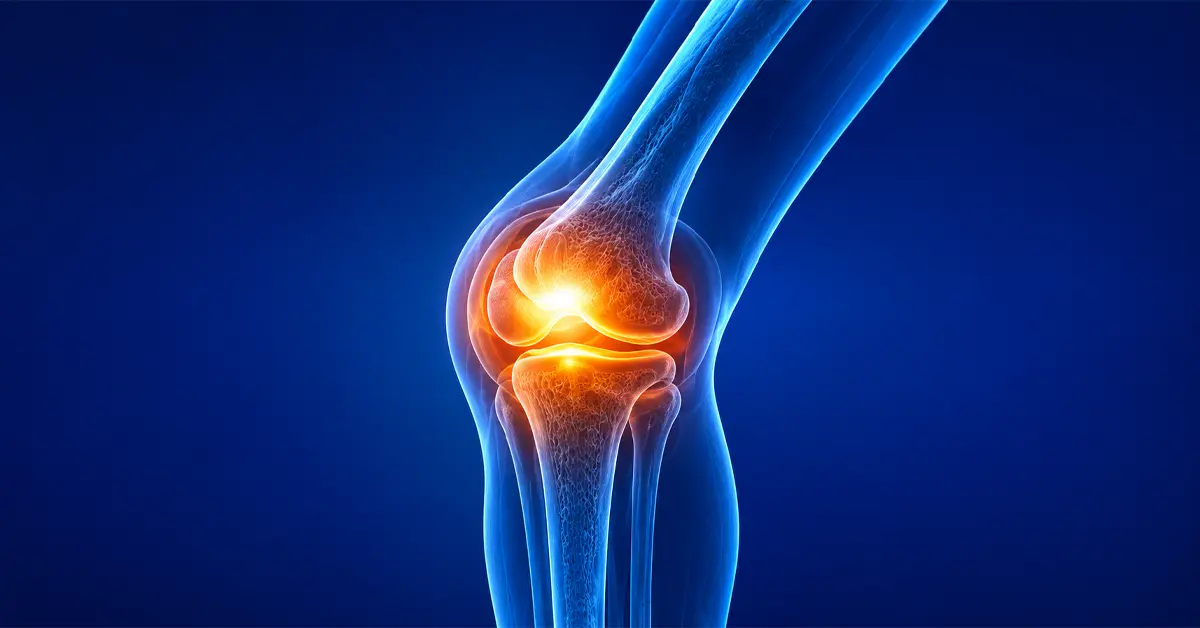
The location of an injection can affect its accuracy.
Musculoskeletal ultrasound allows doctors to examine joints, tendons and surrounding soft tissues while viewing the position of the needle in real time.
Ultrasound-guided injection techniques offer several potential advantages:
- More accurate identification of affected tissues.
- Improved needle placement.
- Better visualisation of surrounding structures.
- Reduced risk of unintended needle placement.
Ultrasound guidance improves procedural accuracy, but the success of treatment also depends on selecting the right patient and condition.
What Happens During the First Six Weeks After PRP?
Unlike some pain-relieving injections, PRP generally does not produce immediate improvement. Patients may experience temporary discomfort before noticing changes in their symptoms.
First 24 to 48 Hours
Mild pain, tenderness or swelling may occur around the injection site. Follow your doctor's advice regarding rest and activity.
First Week
Patients may need to avoid strenuous exercise, heavy lifting and excessive pressure on the treated area.
Second to Sixth Week
Some patients begin noticing gradual improvements in pain, mobility or physical function.
Following Months
The doctor monitors recovery and may recommend appropriate rehabilitation or further assessment.
These timelines are approximate. Recovery depends on the affected tissue, medical condition and individual response.
How Can You Tell If PRP Is Working?

Reduced pain is important, but it is not the only sign of improvement.
Patients and doctors can also monitor:
- Ability to walk comfortably.
- Ease of climbing stairs.
- Joint movement and flexibility.
- Ability to perform household activities.
- Shoulder movement during daily tasks.
- Discomfort during or after physical activity.
- Progress during rehabilitation exercises.
Tracking these changes provides a more meaningful understanding of recovery than focusing only on pain levels.
Can PRP Help You Avoid Joint Surgery?
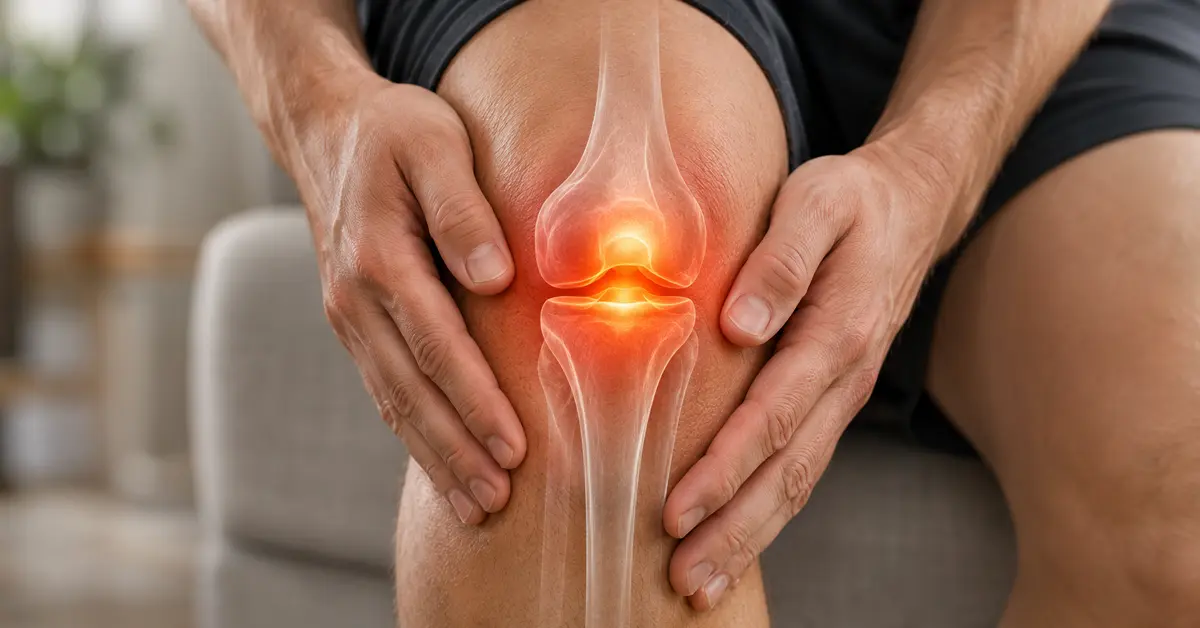
PRP may help some patients manage symptoms through non-surgical care. However, it cannot guarantee that surgery will never be required.
Patients with advanced osteoarthritis, severe structural damage or complete tendon tears may need different treatment options.
The decision to continue non-surgical care or consider surgery should depend on clinical findings, physical limitations and the patient's overall condition.
When Should PRP Injections Be Avoided or Postponed?
PRP may not be appropriate for everyone.
Additional medical evaluation may be necessary for patients with:
- Active infections.
- Certain blood disorders.
- Very low platelet counts.
- Active cancer.
- Advanced joint degeneration.
- Complete tendon tears.
- Uncontrolled underlying medical conditions.
Patients with rheumatoid arthritis or autoimmune diseases should also understand that PRP does not replace prescribed treatment for their underlying condition.
A comprehensive rheumatology assessment helps distinguish degenerative joint disease from inflammatory conditions.
What Are the Possible Side Effects of PRP?

PRP uses components from the patient's own blood, which reduces the likelihood of certain allergic reactions. Nevertheless, every injection carries potential risks.
Possible side effects include:
- Temporary pain or soreness.
- Mild swelling.
- Bruising.
- Bleeding.
- Infection in uncommon cases.
- Injury to nearby tissues or nerves.
Patients experiencing fever, increasing redness, severe pain or unusual swelling after an injection should seek prompt medical attention.
Common Misconceptions About PRP Injections
|
Misconception |
Medical fact |
|
PRP cures arthritis permanently |
PRP may help manage symptoms but is not a guaranteed cure |
|
PRP completely regenerates cartilage |
Reliable cartilage regeneration has not been clinically established |
|
One injection works for everyone |
Treatment requirements vary between patients |
|
PRP provides immediate pain relief |
Improvement, when it occurs, is generally gradual |
|
PRP replaces physiotherapy |
Rehabilitation may remain necessary |
|
PRP and stem cell therapy are the same |
They are different biological treatment approaches |
Why Medical Assessment Matters Before Considering PRP
Choosing an injection without understanding the cause of joint pain may lead to an unsuitable treatment decision.
Dr. Kourosh Ghaznavi is a rheumatology specialist with expertise in joint disorders, regenerative medicine and musculoskeletal ultrasound.
A specialist assessment can help determine whether pain originates from cartilage damage, tendon injury, joint inflammation or another underlying condition.
The objective is to select an appropriate treatment that supports physical function, manages symptoms and helps patients maintain their quality of life.
Conclusion
PRP injections may benefit selected patients with knee osteoarthritis and chronic tendon injuries, particularly when conventional care has not provided sufficient improvement.
However, PRP is not a universal solution for every joint or tendon problem. Accurate diagnosis, appropriate patient selection and a suitable rehabilitation programme are important when considering this treatment.
If you are unsure whether PRP is appropriate for your condition, schedule a medical consultation to discuss your symptoms and available treatment options.
Frequently Asked Questions
Who benefits most from PRP injections?
Selected patients with mild to moderate knee osteoarthritis or certain chronic tendon injuries may benefit from PRP.
At what stage of arthritis is PRP most effective?
PRP may offer more predictable symptom improvement during the mild to moderate stages of knee osteoarthritis.
How do I know if I need PRP injections?
A medical assessment, physical examination and relevant imaging can help determine whether PRP is appropriate.
How long does soreness last after a PRP injection?
Temporary soreness may last several days, although individual recovery varies.
Can PRP make joint pain worse initially?
Some patients experience a temporary increase in discomfort or swelling after treatment.
How long do the benefits of PRP last?
The duration of symptom relief varies depending on the underlying condition and individual response.
Can PRP heal a completely torn tendon?
PRP alone may not be sufficient for complete tendon tears. Alternative treatments or surgical assessment may be necessary.
Is physiotherapy necessary after PRP?
Physiotherapy may support recovery, improve strength and restore movement when recommended by the treating doctor.
Can older adults receive PRP injections?
Age alone does not determine suitability. Joint damage, general health and medical history are important considerations.
What happens if PRP does not work?
Your doctor may reassess the diagnosis and discuss alternative treatments or rehabilitation options.