
Persistent knee pain, joint stiffness and tendon injuries can affect everything from walking and exercising to performing simple household activities. When conventional treatments do not provide enough relief, many patients begin exploring newer approaches in regenerative medicine.
Exosomes have attracted growing scientific interest because of their role in communication between cells. Researchers are studying whether these tiny particles can help regulate inflammation, support tissue repair and improve joint function.
But can exosomes actually regenerate damaged cartilage? Can they repair injured tendons or prevent the need for surgery?
Understanding the available scientific evidence, potential benefits and limitations is important before considering any new treatment.
What Are Exosomes and Where Do They Come From?
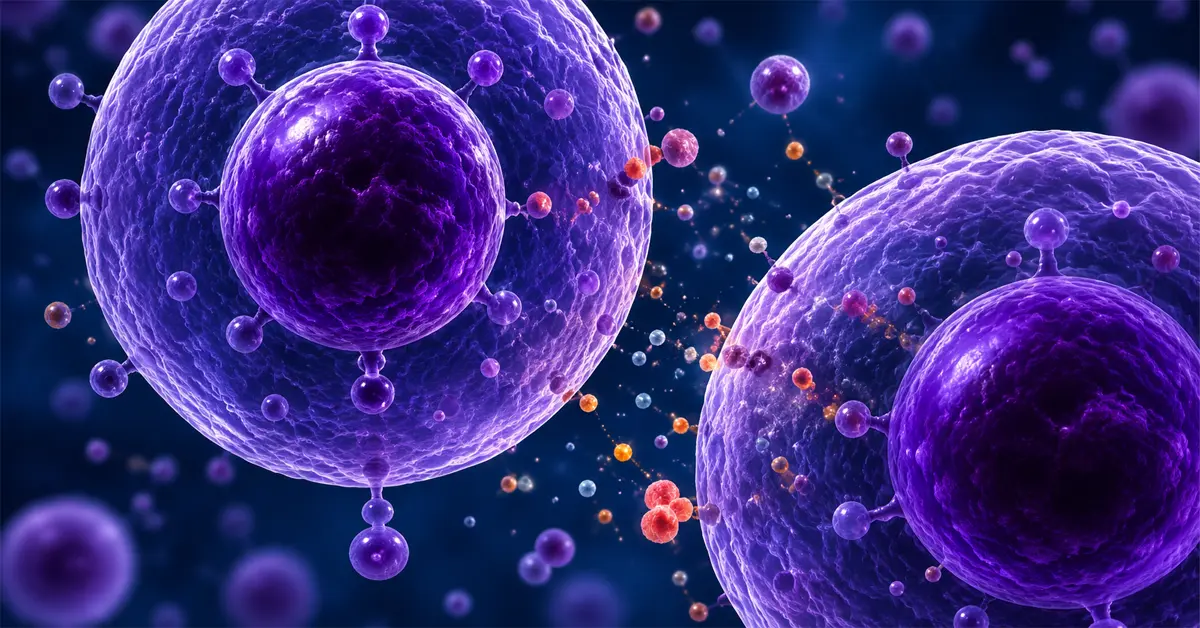
Exosomes are tiny extracellular vesicles that cells naturally release. They typically measure around 30 to 150 nanometres and help carry biological messages between cells.
These particles can contain:
- Proteins and growth factors
- Lipids
- Messenger RNA (mRNA)
- MicroRNA (miRNA)
- Other biological signalling molecules
Researchers are particularly interested in exosomes derived from mesenchymal stromal cells, commonly referred to as MSCs.
Unlike stem cells, exosomes are not living cells and cannot multiply independently. Their ability to carry biological signals makes them an important area of research in regenerative medicine.
However, being cell-free does not automatically make an exosome-based product safe or clinically effective.
How Do Exosomes Influence Tissue Repair?
Scientists are investigating four main biological functions of exosomes in musculoskeletal health.
1. Regulation of Inflammation
Exosomes may influence inflammatory signals and the body's immune response. Researchers are studying whether these effects could help manage inflammation associated with joint and tendon disorders.
2. Communication Between Cells
Exosomes act as natural messengers that carry biological information between cells. This process is sometimes described as paracrine signalling.
3. Tissue Repair
Laboratory studies have explored the potential role of exosomes in supporting the repair of cartilage, tendons, muscles and bones.
4. Formation of New Blood Vessels
Some experimental studies suggest that exosomes may influence angiogenesis, the biological process through which new blood vessels form.
These findings explain the scientific interest in exosomes. However, positive laboratory results do not necessarily translate into successful treatment outcomes in humans.
Can Exosomes Regenerate Knee Cartilage?
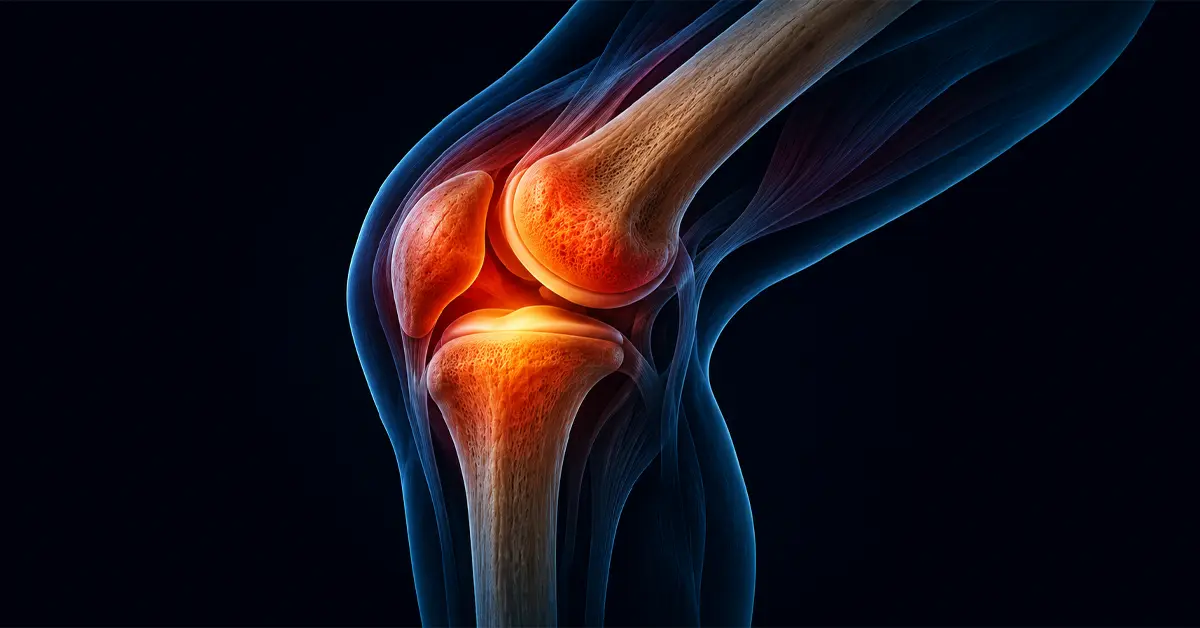
Osteoarthritis develops when changes in the cartilage and other joint structures affect movement and cause pain or stiffness.
Researchers are studying whether exosomes can help protect cartilage and influence the biological processes associated with joint degeneration.
However, there is currently insufficient clinical evidence that exosome injections reliably regenerate lost knee cartilage.
A randomised, placebo-controlled clinical trial published in 2024 found that extracellular vesicle injections did not provide significant improvements in knee osteoarthritis symptoms or MRI findings compared with placebo.
A 2026 scientific review also reported that human clinical evidence remains limited and inconsistent.
Patients experiencing persistent knee stiffness, swelling or difficulty walking should begin with a comprehensive knee pain assessment to understand the extent of joint damage.
What Joint and Tendon Conditions Are Researchers Studying?

Exosome research covers several musculoskeletal conditions. The strength of scientific evidence differs considerably between these conditions.
Knee Osteoarthritis
Researchers are investigating whether exosomes could influence joint inflammation, cartilage protection and physical function. Their effectiveness as a routine treatment remains unproven.
Rotator Cuff Tendinopathy
Rotator cuff injuries can cause shoulder discomfort, restricted movement and difficulty lifting the arm.
Experimental studies have investigated the potential role of extracellular vesicles in tendon repair. However, more human clinical research is necessary.
A proper assessment is essential before selecting an appropriate shoulder pain treatment.
Achilles Tendinopathy
Achilles tendon injuries can make walking, running and recreational activities difficult.
Much of the research on exosomes for Achilles tendon healing has been conducted using laboratory and animal models. These findings do not yet establish effectiveness in routine clinical care.
Tennis Elbow
Tennis elbow affects the tendons around the outer elbow, causing discomfort during gripping, lifting and repetitive hand movements.
Researchers are exploring exosome-related tissue repair, but sufficient clinical evidence for treating tennis elbow is still lacking.
Plantar Fasciitis
Plantar fasciitis commonly causes heel pain, particularly during the first few steps in the morning.
Established treatment approaches, including appropriate rehabilitation, remain important while research into newer biological therapies continues.
Ligament and Muscle Injuries
Scientists are also investigating extracellular vesicles in relation to ligament sprains, muscle injuries and soft tissue repair.
Patients with persistent symptoms should undergo an evaluation of their tendon, muscle and ligament injuries before considering treatment options.
What Is the Difference Between Exosomes, PRP and Stem Cells?
Exosomes, platelet-rich plasma and stem cells are often discussed together, but they differ in composition and clinical evidence.
|
Feature |
Exosomes |
PRP |
Stem cells |
|
Main component |
Extracellular vesicles |
Concentrated blood platelets |
Living cells |
|
Biological function |
Cellular communication |
Growth factor release |
Cellular activity and signalling |
|
Independent cell multiplication |
No |
No |
Depends on cell type |
|
Clinical evidence for knee arthritis |
Limited |
More extensively studied |
Varies by preparation and application |
|
Proven cartilage regeneration |
Not established |
Not established |
Not established |
|
Long-term clinical outcomes |
Under investigation |
Vary between patients |
Under investigation for many orthopaedic applications |
Platelet-rich plasma therapy has a different biological composition and a larger body of clinical research for certain musculoskeletal conditions.
A newer treatment is not necessarily more effective than an established one.
Why Does the Quality of Exosome Products Matter?
Not every product marketed as an exosome preparation has the same characteristics, quality or safety profile.
Several factors influence whether a biological product is suitable for clinical investigation or an authorised medical application.
These include:
- The biological source of the product.
- Manufacturing standards.
- Product purity and consistency.
- Quality and safety testing.
- Regulatory authorisation.
- Clinical evidence supporting the intended use.
Preparation timelines and product characteristics may also differ. There is no universally established preparation period or treatment protocol applicable to every exosome product.
Patients should receive clear information about the product being considered and the evidence supporting its intended medical use.
Why Is Ultrasound Guidance Important for Joint and Tendon Injections?
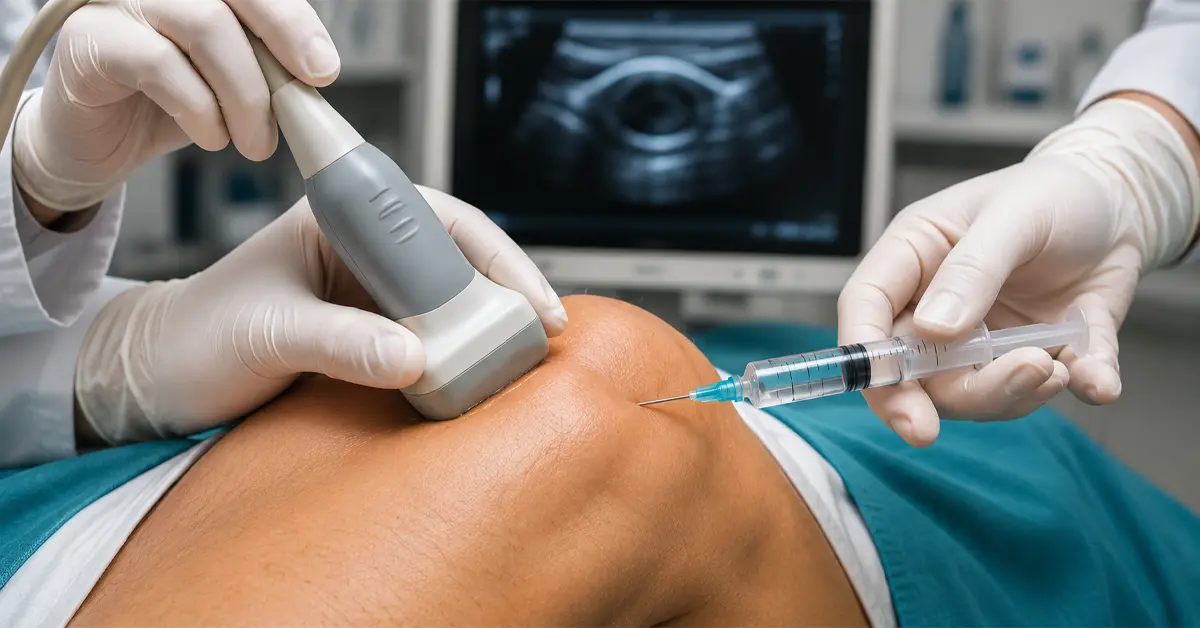
Musculoskeletal ultrasound helps doctors examine joints, ligaments, tendons and muscles in real time.
During medically appropriate and authorised injection procedures, ultrasound guidance can help improve needle placement and identify surrounding anatomical structures.
Potential advantages include:
- Accurate identification of the affected area.
- Real-time visualisation of soft tissues.
- Improved injection placement.
- Reduced risk of unintended needle placement.
However, ultrasound-guided injections cannot guarantee that an experimental biological product will be effective or safe.
The quality of the product, suitability of the patient and strength of clinical evidence remain equally important.
Who May Be Suitable for Regenerative Medicine Assessment?
Not everyone with chronic joint pain or a tendon injury requires a biological injection.
Doctors consider several factors when evaluating treatment options:
- The exact cause of the patient's symptoms.
- Severity of joint or tendon damage.
- Duration of pain and functional limitations.
- Response to previous treatments.
- General health and medical history.
- Availability of established treatment alternatives.
- Realistic expectations about recovery.
For example, a patient with early knee osteoarthritis has different treatment needs from someone with advanced joint degeneration or a completely torn tendon.
Similarly, patients with inflammatory arthritis may require medication that addresses the underlying disease rather than a tissue-focused procedure.
A comprehensive rheumatology and arthritis assessment helps identify these differences.
What Are the Potential Benefits of Exosome Research?

Scientists are exploring several possible medical applications of exosomes, including:
- Regulation of inflammatory responses.
- Support for biological tissue repair.
- Cellular communication.
- Protection of cartilage.
- Tendon and muscle recovery.
- Improvement in joint function.
These remain areas of ongoing scientific investigation. Further controlled clinical trials are necessary to determine which applications offer meaningful and lasting benefits to patients.
What Are the Possible Risks and Side Effects of Exosome Therapy?

Although exosomes are not living cells, this does not eliminate the risks associated with their medical use.
Potential risks include:
- Temporary pain or soreness at the injection site.
- Swelling or bruising.
- Infection.
- Immune or allergic reactions.
- Complications associated with contaminated or poor-quality products.
- Unknown long-term adverse effects.
It is also important to understand that the long-term biological effects of exosome-based products are still being evaluated.
The US Food and Drug Administration (FDA) has reported serious adverse events associated with unapproved products marketed as containing exosomes.
Patients experiencing fever, increasing redness, severe pain or unusual swelling after an injection should seek prompt medical attention.
Are Exosome-Based Treatments Approved in Dubai?
The regulatory status of biological products depends on their intended use, composition and applicable medical regulations.
In 2026, the Dubai Health Authority (DHA) published standards covering investigational biological therapies, including certain exosome-based applications that require approved clinical research protocols.
On 7 October 2026, DHA also issued Circular No. 41/2026 regarding unauthorised medical products containing exosomes and polydeoxyribonucleotide (PDRN).
Patients should confirm the regulatory status of any specific product and proposed medical application before making a treatment decision.
Approval for one medical application does not automatically establish approval for other conditions.
Can Exosomes Help Patients Avoid Knee or Tendon Surgery?
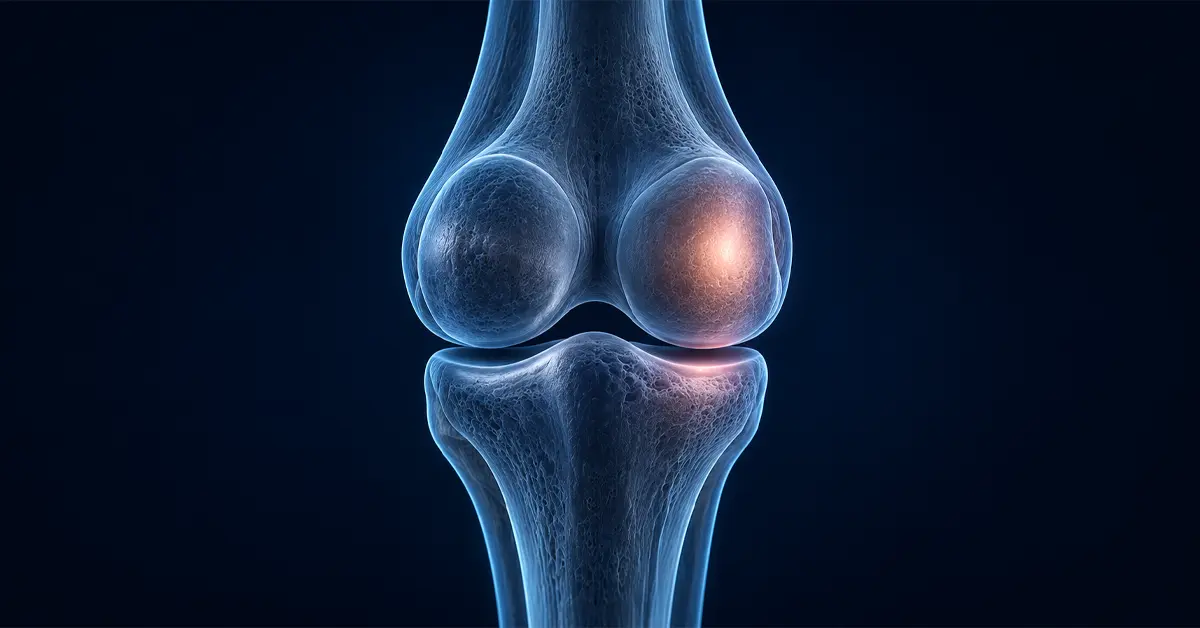
There is currently insufficient clinical evidence that exosomes can reliably prevent the need for knee replacement surgery or tendon repair surgery.
Patients with severe cartilage loss, advanced osteoarthritis or complete tendon tears may require alternative treatments.
Delaying necessary medical care in favour of an unproven treatment may allow an existing condition to worsen.
Treatment decisions should consider the patient's physical limitations, diagnostic findings and available medical evidence.
Five Questions to Ask Before Considering a New Regenerative Treatment
Patients can make more informed decisions by asking their doctor the following questions:
- Is there reliable human clinical evidence supporting this treatment for my condition?
- Does the specific product have the required regulatory authorisation?
- What are the known risks and limitations?
- Are there established treatment alternatives with stronger scientific evidence?
- How will my pain, mobility and physical function be assessed over time?
Clear answers to these questions are more valuable than promises of complete recovery or permanent pain relief.
Why Specialist Assessment Matters for Joint and Tendon Problems
Dr. Kourosh Ghaznavi is a rheumatology and regenerative medicine specialist with expertise in musculoskeletal ultrasound, joint disorders and ultrasound-guided injections.
A specialist assessment helps distinguish between degenerative joint disease, inflammatory arthritis, tendon injuries and other musculoskeletal conditions.
The goal of medical care is to identify the underlying problem and select an appropriate, evidence-based treatment that supports mobility, physical function and quality of life.
Conclusion
Exosomes represent an important area of regenerative medicine research. Scientists continue to investigate their potential role in regulating inflammation, protecting cartilage and supporting tissue repair.
However, their clinical effectiveness and long-term safety for many joint and tendon conditions remain under investigation.
Accurate diagnosis, established medical evidence and appropriate patient selection should guide treatment decisions.
If you experience persistent joint pain, knee stiffness or tendon discomfort, schedule a medical consultation to understand your condition and explore suitable treatment options.
Frequently Asked Questions
1. Can exosomes regenerate damaged knee cartilage?
Laboratory research suggests potential biological benefits, but reliable cartilage regeneration in humans has not been clinically established.
2. Are exosomes the same as stem cells?
No. Exosomes are extracellular vesicles that carry biological messages, while stem cells are living cells.
3. Are exosomes more effective than PRP?
There is insufficient clinical evidence to establish that exosomes are more effective than PRP for joint and tendon conditions.
4. Can exosomes repair torn tendons?
Current research does not establish that exosomes can reliably repair complete tendon tears in humans.
5. Is exosome therapy completely safe?
No. Potential risks include infection, immune reactions and other complications. Long-term safety remains under investigation.
6. How many exosome injections are required?
There is no universally established, evidence-based injection schedule for routine treatment of joint and tendon disorders.
7. Can exosomes cure osteoarthritis permanently?
No. There is currently insufficient evidence that exosomes can permanently cure osteoarthritis.
8. Why is ultrasound used during joint injections?
Ultrasound helps doctors visualise anatomical structures and improve needle placement accuracy.
9. Can exosome therapy replace physiotherapy?
No. Physiotherapy and rehabilitation remain important components of managing many joint and tendon conditions.
10. Does exosome therapy require regulatory approval in Dubai?
Medical applications of exosome-based products must comply with applicable regulatory requirements and authorisations.