
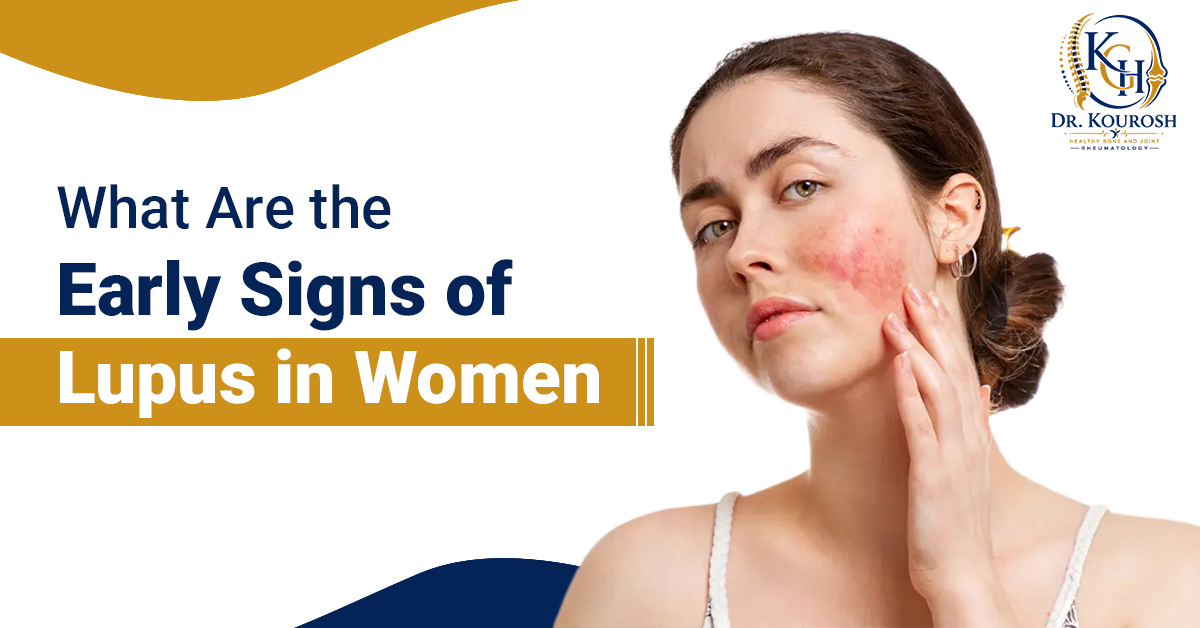
A woman may notice that her fingers hurt every morning. A few weeks later, she starts losing more hair than usual. Then comes a red patch across her cheeks that gets worse after spending time outside. She might think these are three separate problems. Sometimes, they're signs of the same illness.
Lupus is a disease in which the immune system attacks the body's own tissues. It is more common in women than in men, especially in those aged between 15 and 44. The symptoms aren't always easy to recognise because they can look like other common health problems.
What Are the Early Signs of Lupus in Women? 7 Changes Worth Paying Attention To
Lupus doesn't follow a fixed pattern. Some women develop several symptoms together, while others experience one problem at a time. The signs may settle down and return weeks later.
1. Waking Up With Stiff, Painful Joints
Imagine waking up and struggling to bend your fingers. Your hands feel swollen, and opening a jar becomes difficult.
Lupus commonly affects the wrists, fingers, knees, and ankles. The pain may appear on both sides of the body, although this isn't always the case.
Some women initially mistake these symptoms for ordinary Rheumatology & Arthritis problems. However, joint swelling combined with other unexplained changes deserves further investigation.
2. Feeling Exhausted Without Doing Much
You haven't had a particularly busy day, yet you're struggling to stay awake by afternoon.
Fatigue is common in lupus. It may leave you feeling drained even after a full night's sleep.
Unlike tiredness caused by a late night, this exhaustion can continue for days or weeks. It may become difficult to manage work, household chores, or regular exercise.
3. Redness Across the Nose and Cheeks
A reddish rash stretching across both cheeks and the nose is sometimes called a butterfly rash.
For some women, the redness becomes worse after sun exposure. Others notice patches appearing on their arms, neck, or chest.
Skin colour can affect how the rash appears. On darker skin, it may look brownish or purple rather than bright red.
Not everyone with lupus develops this facial rash.
4. Losing More Hair Than Normal
You might notice extra hair collecting in the shower drain or on your hairbrush.
Lupus may cause thinning hair, especially when the disease is active. Some women develop fragile hair around the forehead, while others experience more noticeable shedding.
However, thyroid problems, stress, and nutritional deficiencies can also cause hair loss. Hair changes alone cannot confirm lupus.
5. Muscle Aches Without an Injury
Your arms feel sore, your shoulders ache, or your legs hurt even though you haven't done anything strenuous.
These complaints may be similar to Musculoskeletal Pain & Sports Injuries. Some women also have widespread discomfort like Fibromyalgia & Chronic Pain.
The important detail is whether muscle aches appear alongside fever, swollen joints, or other symptoms.
6. Sores Inside the Mouth or Nose
Lupus can cause small ulcers inside the mouth or nose. Surprisingly, these sores aren't always painful.
You may discover them while brushing your teeth or notice that they keep returning.
Recurring ulcers don't automatically mean lupus, but they're worth mentioning during a medical appointment.
7. Fingers Turning White or Blue in Cold Weather
Some women notice their fingertips changing colour when holding a cold drink or sitting in an air-conditioned room.
The fingers may turn white, then blue, before becoming red as they warm up.
Doctors call this Raynaud's phenomenon. It can occur on its own or alongside lupus and other autoimmune conditions.
Why Are Women More Likely to Get Lupus?
Doctors still don't know exactly what causes lupus. Hormones, family history, and certain environmental factors may increase the risk.
Estrogen may also be involved in the higher incidence of lupus among women. However, having a family member with lupus doesn't mean you'll develop it.
Can Lupus Cause Knee Pain and Back Pain?
Yes, lupus can cause joint and muscle pain. However, not every painful knee or sore back points to lupus.
Women looking for Knee Pain Treatment, Back Pain Treatment or Hand & Wrist Pain Treatment may have arthritis, injury or some other condition.
Doctors look at other symptoms before deciding whether lupus testing is needed.
How Do Doctors Find Out if You Have Lupus?
Lupus can resemble several Autoimmune Diseases, so doctors don't depend on one test.
They may recommend:
- ANA blood test
- Complete blood count
- Anti-dsDNA antibody test
- Kidney function tests
- Urine examination
An ANA test alone cannot confirm lupus. Doctors also check symptoms, medical history, and examination findings.
When Should You Visit a Doctor?
See a doctor if joint swelling, unusual tiredness, fever, or skin rashes keep returning.
If you have trouble breathing or severe chest pain, seek emergency medical care.
Lupus treatment may also include checks on Osteoporosis & Bone Health, especially for women taking steroids for long periods of time.
If you have recurring joint pain or unexplained fatigue or suspect lupus symptoms, you can consult Dr Kouroush for a rheumatology assessment in Dubai.
Frequently Asked Questions
1. What are the first symptoms of lupus in women?
Tiredness, painful joints, skin rashes, and unexplained fever are common early symptoms.
2. Can lupus start with knee pain?
Yes. Lupus can cause knee pain, but knee pain alone doesn't mean you have lupus.
3. Does lupus cause hair loss?
Yes. Some women notice thinning hair or increased shedding during lupus flares.
4. Can lupus affect the kidneys?
Yes. Lupus can cause kidney inflammation, sometimes without noticeable symptoms at first.
5. Which doctor should I see for lupus?
A rheumatologist can examine your symptoms, order tests, and recommend suitable treatment.