

Persistent knee pain, joint stiffness and tendon injuries can make everyday activities difficult. Walking, climbing stairs, exercising or lifting objects may become uncomfortable, particularly when conventional treatments have not provided enough relief.
Adipose-derived mesenchymal stem cells (AD-MSCs) are an important area of research in regenerative medicine. Scientists are studying their potential role in reducing inflammation, supporting tissue repair and improving joint function.
But can stem cells really regenerate damaged cartilage? Can they repair injured tendons or prevent the need for surgery?
Understanding the scientific evidence, potential benefits and limitations can help patients make informed decisions about their health.
What Are Adipose-Derived Mesenchymal Stem Cells?
Mesenchymal stem or stromal cells (MSCs) are cells found in different tissues throughout the body, including adipose tissue, commonly known as body fat, and bone marrow.
MSCs can develop into certain specialised cell types, including bone, cartilage and fat cells, under appropriate conditions.
Adipose-derived MSCs have attracted scientific interest because fat tissue is a relatively abundant and accessible source of these cells.
Researchers working in regenerative medicine are investigating their ability to influence inflammation, promote cellular communication and support tissue repair.
However, their biological properties do not guarantee successful regeneration of damaged joints or tendons in patients.
Why Is Adipose Tissue Used as a Source of Stem Cells?

Fat tissue performs several functions beyond storing energy. It also contains different types of cells, including mesenchymal stromal cells.
Researchers are interested in adipose tissue for several reasons:
- It provides a relatively abundant source of mesenchymal stromal cells.
- It may allow the use of tissue obtained from the patient's own body.
- Its cells have biological properties associated with tissue repair.
- Researchers can study their potential anti-inflammatory effects.
- It offers possible applications in musculoskeletal research.
When cells originate from the patient's own body, they are referred to as autologous cells.
Although autologous cells may reduce certain concerns related to immune compatibility, they are not completely free from risks.
How Do Mesenchymal Stem Cells Work?

Scientists are investigating four important biological functions of mesenchymal stem cells in musculoskeletal health.
1. Anti-Inflammatory Effects
MSCs may influence inflammatory signals and immune responses. Researchers are studying whether these effects could help manage inflammation associated with joint disorders.
2. Paracrine Effects
Mesenchymal stromal cells release biological substances, including growth factors, cytokines and extracellular vesicles.
These substances can influence communication between nearby cells. This process is known as paracrine signalling.
3. Tissue Regeneration
Studies have investigated whether MSCs can support the biological processes involved in repairing cartilage, tendons, muscles and bones.
4. Angiogenesis
Angiogenesis refers to the formation of new blood vessels. Researchers are exploring how MSCs may influence this process and support the biological environment required for tissue repair.
Although these mechanisms are promising areas of scientific research, their clinical effectiveness varies depending on the condition being studied.
Can Stem Cells Regenerate Damaged Knee Cartilage?
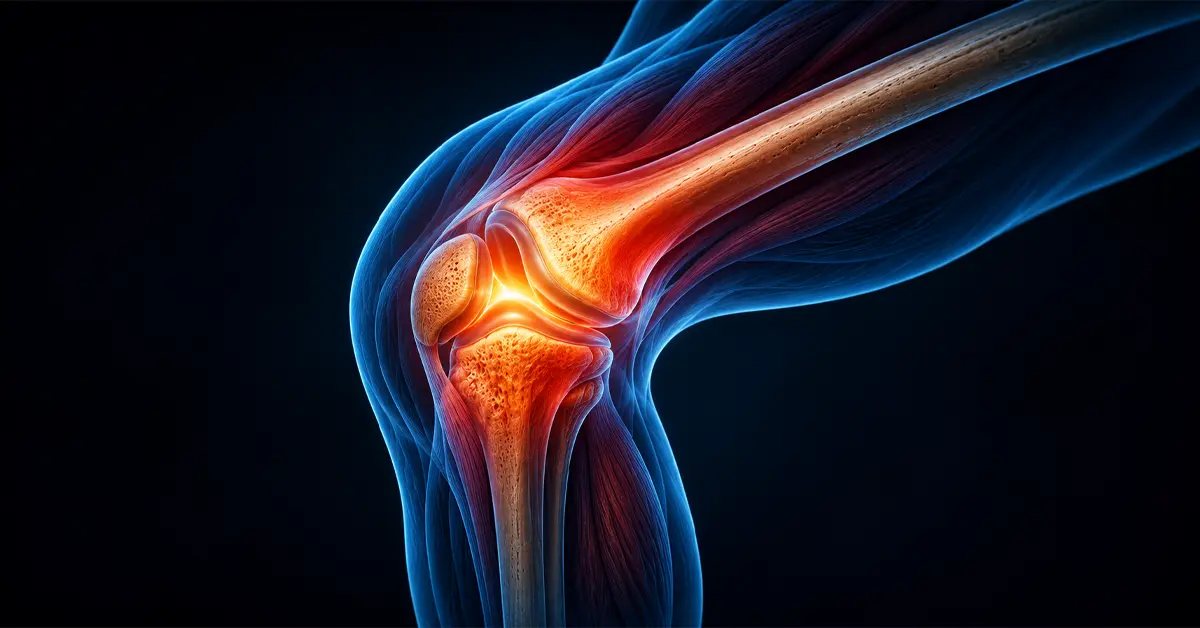
Knee cartilage provides a smooth surface that allows the bones within the joint to move comfortably. When cartilage deteriorates, patients may experience pain, stiffness, swelling and reduced mobility.
One of the main objectives of stem cell research is to understand whether these cells can protect existing cartilage or support its repair.
However, current clinical evidence has not established that stem cell injections can reliably restore lost knee cartilage or permanently reverse osteoarthritis.
What Does Scientific Research Say?
A 2025 Cochrane review examined 25 randomised clinical trials involving 1,341 participants with knee osteoarthritis.
The findings suggested that stem cell injections may provide modest improvements in pain and physical function compared with placebo. However, the certainty of the evidence was low, and long-term safety and structural joint improvement remained uncertain.
A separate systematic review published in 2026 examined 10 clinical trials involving 592 patients. It reported pain reduction following certain adipose-based cell therapies, but evidence supporting long-term functional improvement remained uncertain.
These findings highlight the importance of a comprehensive knee pain assessment before exploring treatment options.
Which Musculoskeletal Conditions Are Being Studied With Adipose-Derived Stem Cells?

Researchers are investigating the potential applications of AD-MSCs across several joint and soft tissue conditions.
1. Osteoarthritis
Osteoarthritis can affect the knees, hips, shoulders and hands. Scientists are studying whether mesenchymal stromal cells may help manage inflammation, pain and joint function.
Most clinical evidence currently relates to knee osteoarthritis.
2. Cartilage Defects
Cartilage has a limited natural ability to repair itself. Researchers are examining whether cell-based approaches could support cartilage repair.
However, reliable regeneration through stem cell injections has not been established.
3. Achilles and Patellar Tendinopathy
Chronic tendon injuries can cause pain during walking, running, jumping and other physical activities.
Researchers are exploring the potential role of mesenchymal stromal cells in tendon healing, but further clinical studies are necessary.
4. Rotator Cuff Injuries
Rotator cuff injuries can cause shoulder pain, weakness and difficulty lifting the arm.
Some clinical studies have investigated MSCs as an additional approach to rotator cuff repair. However, stem cell injections are not an established replacement for necessary surgical treatment.
A specialist shoulder pain assessment helps determine the severity and nature of the injury.
5. Ligament Sprains
Ligament injuries can lead to pain, swelling and joint instability. Researchers are studying biological approaches that may support ligament repair.
Physiotherapy and appropriate rehabilitation remain important parts of recovery.
6. Muscle Injuries
Mesenchymal stromal cells are also being investigated for their potential role in muscle tissue repair.
Patients with persistent discomfort should undergo a professional evaluation of their tendon, muscle and ligament injuries.
7. Other Musculoskeletal Conditions
Early avascular necrosis, degenerative disc disease and certain chronic pain conditions are additional areas of regenerative medicine research.
Evidence for these applications varies, and each condition requires a separate medical assessment.
Does the Stage of Osteoarthritis Influence Treatment Decisions?
The severity of joint damage plays an important role in determining suitable treatment options.
|
Condition |
Medical considerations |
|
Mild osteoarthritis |
Conventional treatment and rehabilitation remain important |
|
Moderate osteoarthritis |
Further treatment options may be evaluated |
|
Advanced osteoarthritis |
Benefits of investigational biological treatments remain uncertain |
|
Severe cartilage loss |
Joint replacement assessment may be necessary |
|
Complete tendon tears |
Specialist assessment and surgical treatment may be required |
The presence of chronic joint pain does not automatically make someone suitable for stem cell-based treatment.
What Is the Difference Between Stem Cells, PRP and Exosomes?
These three approaches are often discussed within regenerative medicine, but they differ in their biological composition and available clinical evidence.
|
Feature |
Stem cells |
PRP |
Exosomes |
|
Main component |
Living cells |
Concentrated blood platelets |
Extracellular vesicles |
|
Source |
Tissues such as fat or bone marrow |
Patient's blood |
Cell-derived particles |
|
Biological activity |
Cellular activity and signalling |
Growth factor release |
Biological communication |
|
Independent multiplication |
Depends on cell type |
No |
No |
|
Clinical evidence |
Varies by condition and product |
More extensively studied for certain joint conditions |
Limited human evidence |
|
Proven cartilage regeneration |
Not established through routine joint injections |
Not established |
Not established |
Patients can learn more about the differences by exploring PRP therapy and exosome therapy.
A newer biological approach is not necessarily better than an established treatment.
Why Do Laboratory Quality and Cell Preparation Matter?
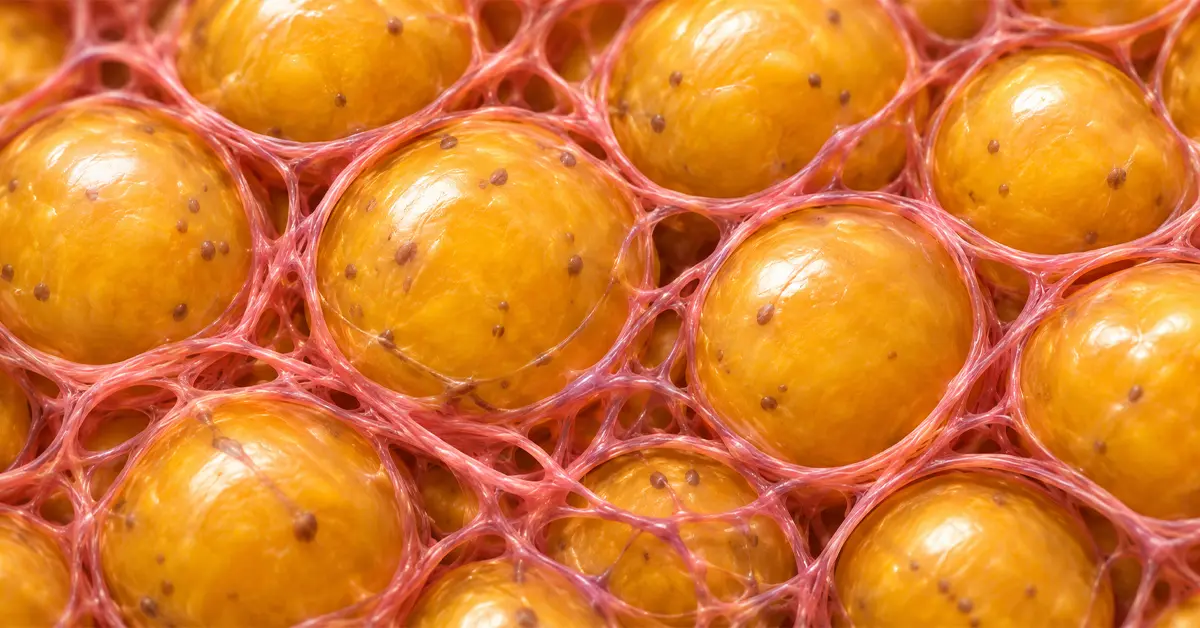
Cell-based products can differ considerably depending on their source, composition, handling and intended medical application.
Unlike standard medications, living cell products require careful evaluation of their quality, consistency and safety.
Important considerations include:
- The source and identity of the cells.
- Laboratory quality standards.
- Product safety and consistency.
- Traceability and medical documentation.
- Appropriate regulatory approval.
- Clinical evidence supporting the intended use.
Preparation times depend on the type of cell product and applicable requirements. There is no universal preparation timeline suitable for every patient or medical application.
Why Is Ultrasound Guidance Important for Joint and Tendon Injections?
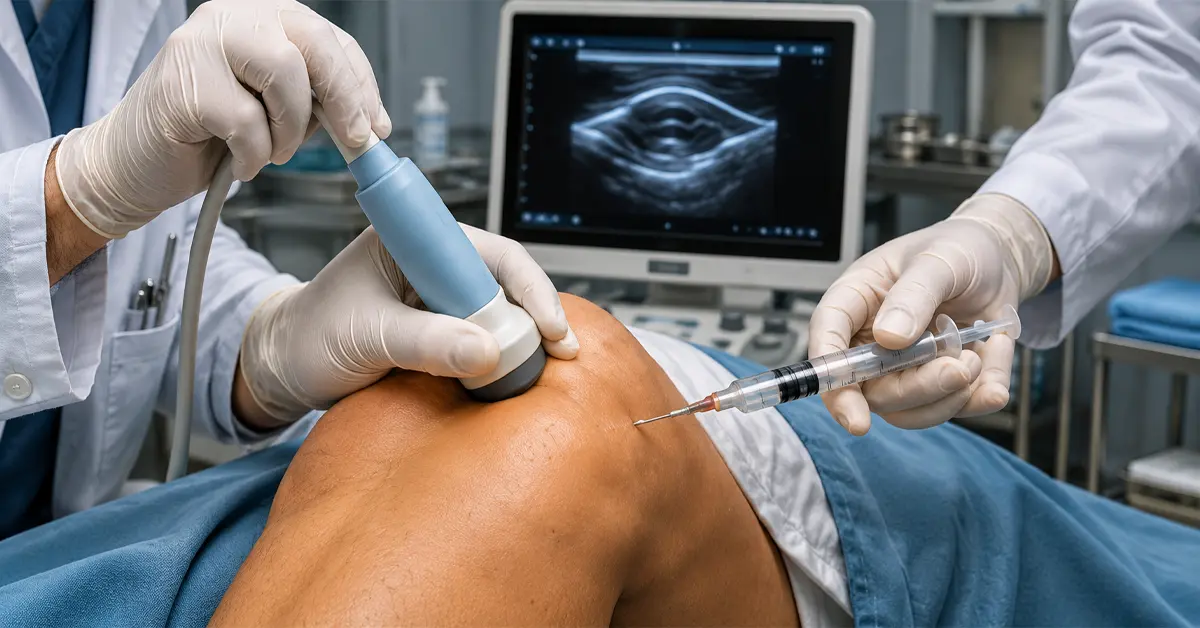
Musculoskeletal ultrasound helps doctors visualise joints, tendons, ligaments and surrounding tissues in real time.
During appropriate and authorised medical injection procedures, ultrasound guidance can offer several advantages:
- More accurate identification of the affected tissue.
- Improved needle placement.
- Real-time visualisation of surrounding structures.
- Reduced risk of unintended needle placement.
Ultrasound-guided injections can improve procedural accuracy. However, accurate delivery alone cannot guarantee the safety or effectiveness of an investigational cell-based product.
What Are the Potential Advantages of Adipose-Derived MSCs?

Researchers are investigating several possible advantages of adipose-derived mesenchymal stromal cells, including:
- Availability of adipose tissue as a cell source.
- Potential use of autologous cells.
- Regulation of inflammatory responses.
- Support for natural tissue repair processes.
- Cellular communication.
- Potential pain reduction in selected conditions.
- Possible improvement in joint function.
Although some studies have reported encouraging outcomes, further research is required to establish their long-term clinical benefits.
What Are the Potential Risks and Side Effects of Stem Cell Therapy?

Even when cells originate from a patient's own body, cell-based medical procedures can involve risks.
Potential side effects and complications include:
- Temporary pain or soreness at the collection or injection site.
- Swelling or bruising.
- Bleeding or haematoma.
- Infection.
- Unwanted inflammatory or immune reactions.
- Failure to achieve the expected improvement.
- Unknown long-term complications.
Certain cell-based products may also carry concerns related to unintended cell growth or abnormal tissue formation.
The US Food and Drug Administration (FDA) has issued safety warnings regarding unapproved regenerative medicine products.
Patients experiencing fever, severe pain, increasing redness or unusual swelling following a medical procedure should seek prompt medical attention.
What Are the Limitations of Stem Cell-Based Treatments?
Understanding the limitations is just as important as understanding the potential benefits.
- Stem cells are not a guaranteed cure for osteoarthritis.
- Complete cartilage regeneration has not been reliably established.
- Clinical outcomes vary between patients.
- Advanced joint damage may require alternative treatments.
- Long-term safety data remain limited for many applications.
- Cell-based treatments cannot replace necessary rehabilitation or surgery.
Patients should avoid making treatment decisions based solely on claims of complete regeneration or permanent pain relief.
What Are the Dubai Health Authority Regulations for Stem Cell Treatments?
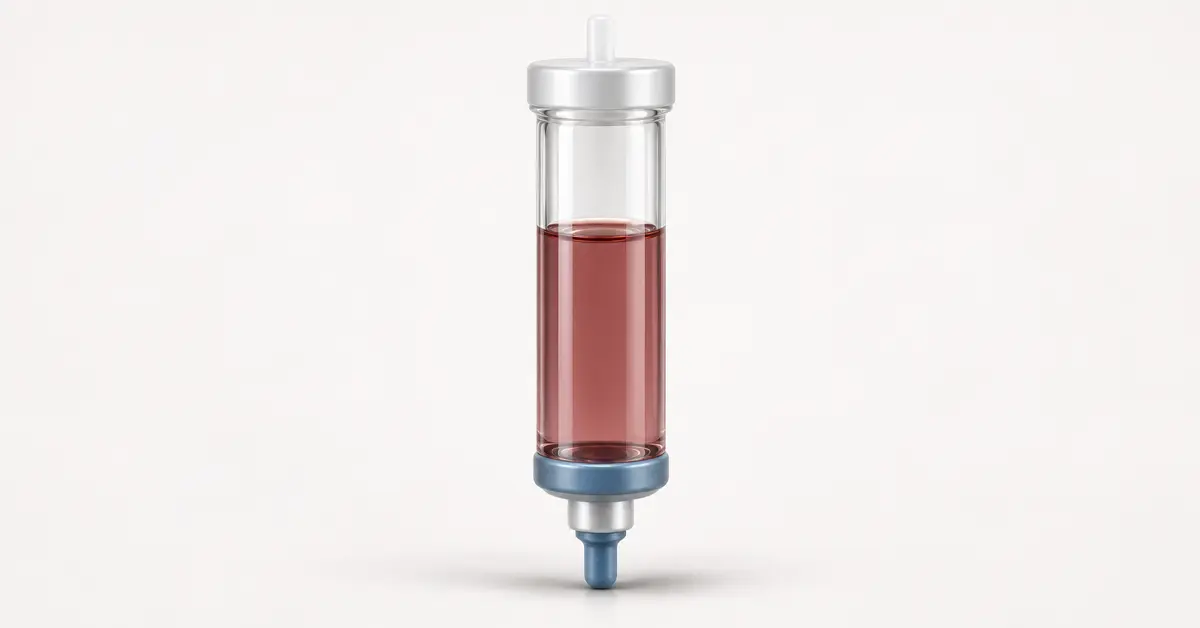
The Dubai Health Authority (DHA) introduced updated standards for stem cell services, effective from 28 February 2026.
Under these standards, certain investigational applications involving laboratory-expanded mesenchymal stromal cells require approved clinical trial protocols and appropriate regulatory oversight.
Patients should verify the authorisation of the specific cell-based product and its intended medical application before undergoing any procedure.
Regulatory approval for one medical condition does not automatically establish approval for another.
How Do Doctors Determine Patient Suitability?
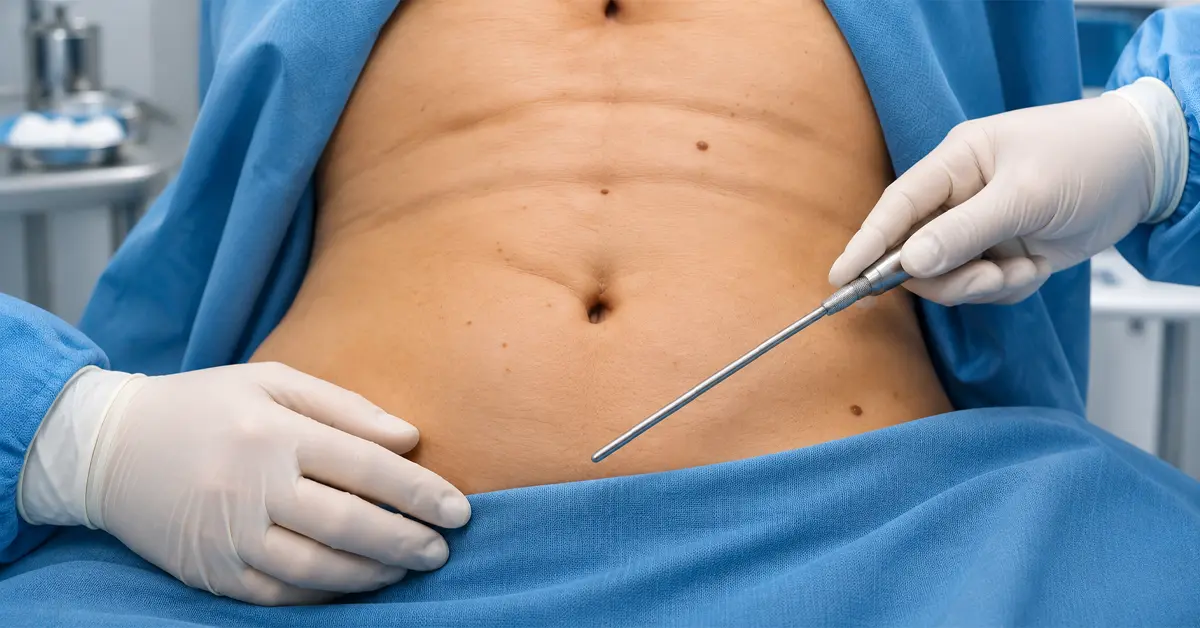
A thorough medical assessment helps identify which treatment options may be appropriate.
Doctors consider factors such as:
- Accurate diagnosis of the condition.
- Severity of joint or soft tissue damage.
- Response to previous treatments.
- Duration of symptoms.
- Overall health and medical history.
- Functional limitations.
- Availability of established treatment alternatives.
- Patient expectations and recovery goals.
For example, a patient experiencing inflammatory joint pain may require a different treatment approach from someone with degenerative knee osteoarthritis.
A comprehensive rheumatology and arthritis evaluation helps identify the underlying cause of these symptoms.
How Can Patients Measure Meaningful Recovery?
Pain reduction is important, but it should not be the only measure of treatment success.
Patients and their doctors can also monitor changes in:
- Walking ability.
- Joint flexibility.
- Muscle strength.
- Ability to climb stairs.
- Shoulder and knee movement.
- Performance of daily activities.
- Progress during rehabilitation.
- Overall quality of life.
Measuring functional improvement can provide a clearer understanding of recovery than relying only on reported pain levels.
Five Questions to Ask Before Considering a Cell-Based Treatment
Patients should understand the following points before making a decision:
- Is there reliable human clinical evidence for my specific condition?
- Does the proposed cell product have the required regulatory authorisation?
- What are the potential benefits, risks and limitations?
- Are there established treatment options supported by stronger evidence?
- How will my progress and physical function be monitored?
Having clear answers to these questions helps patients develop realistic expectations and make informed healthcare decisions.
The Role of a Rheumatologist in Managing Joint and Tendon Conditions
Dr. Kourosh Ghaznavi is a rheumatology and regenerative medicine specialist with expertise in musculoskeletal disorders, diagnostic ultrasound and ultrasound-guided injections.
Accurate diagnosis is an important part of identifying whether joint pain originates from osteoarthritis, inflammation, tendon damage or another underlying condition.
The objective of medical care is to select an evidence-based treatment approach that helps manage symptoms, restore physical function and improve quality of life.
Conclusion
Adipose-derived mesenchymal stem cells represent an important area of regenerative medicine research. Scientists continue to investigate their potential role in regulating inflammation, supporting tissue repair and improving musculoskeletal function.
However, their ability to regenerate damaged cartilage or permanently repair injured tendons has not been conclusively established in routine clinical care.
Accurate diagnosis, appropriate patient selection, regulatory compliance and established scientific evidence should guide treatment decisions.
If you experience chronic joint pain, knee stiffness or persistent tendon discomfort, schedule a medical consultation to understand your condition and explore appropriate treatment options.
Frequently Asked Questions
1. Can stem cells regrow damaged knee cartilage?
Current clinical evidence does not establish that stem cell injections can reliably regenerate lost knee cartilage.
2. Why are stem cells obtained from fat tissue?
Adipose tissue contains mesenchymal stromal cells that researchers are studying for their potential biological and regenerative properties.
3. Are stem cells effective for knee osteoarthritis?
Some studies suggest improvements in pain and joint function, but the certainty of the evidence remains limited.
4. Can stem cells repair a torn tendon?
There is insufficient clinical evidence that stem cell injections can reliably repair completely torn tendons.
5. Are adipose-derived stem cells better than PRP?
Clinical evidence does not establish that adipose-derived stem cells are consistently superior to PRP for joint and tendon conditions.
6. Are autologous stem cells completely safe?
No. Using a patient's own cells may reduce certain compatibility concerns, but infection and other complications remain possible.
7. How long does it take to see results from stem cell treatment?
There is no universally established recovery timeline. Outcomes depend on the condition, product and individual patient response.
8. Can stem cells replace knee replacement surgery?
There is insufficient evidence that stem cell injections can reliably replace medically necessary knee replacement surgery.
9. Is physiotherapy necessary for joint and tendon recovery?
Appropriate physiotherapy can help improve muscle strength, joint movement and physical function.
10. Does stem cell therapy require regulatory approval in Dubai?
Yes. Medical applications of stem cell-based products must comply with applicable regulatory requirements and authorisations.